Showing posts with label Effects. Show all posts

Tuesday, January 16, 2024

Uncovering the Truth: Common Proin Dog Side Effects and How to Manage Them

Discover the potential side effects of Proin for dogs. Learn about the risks and benefits of this medication before giving it to your furry friend.

As a responsible pet owner, it's important to be aware of the potential side effects that may arise from any medication you give your furry friend. Proin is a commonly prescribed medication for dogs suffering from urinary incontinence, but like any medication, it can cause side effects that pet owners should be aware of.

Firstly, it's important to note that not all dogs will experience side effects from Proin. However, it's still crucial to understand the possible risks associated with this medication. One of the most common side effects is restlessness and increased heart rate, which can make your dog feel anxious or agitated. Other potential side effects include vomiting, diarrhea, and loss of appetite.

In rare cases, Proin may also cause more serious side effects such as seizures, difficulty breathing, and jaundice. If you notice any of these symptoms in your dog, it's important to seek veterinary care immediately. In some cases, Proin may not be the best course of treatment for your dog and your veterinarian may need to explore other options.

While the potential side effects of Proin may seem concerning, it's important to remember that this medication can be incredibly effective in treating urinary incontinence in dogs. With proper monitoring and care, Proin can help improve your dog's quality of life and prevent accidents in the house. As always, consult with your veterinarian to determine if Proin is the right choice for your furry friend.

Introduction

Proin
Proin is a medication that is commonly prescribed for dogs that suffer from urinary incontinence. However, as with any medication, there are potential side effects that pet owners should be aware of before administering it to their furry friends. In this article, we'll take a closer look at some of the most common Proin dog side effects and what you should do if your dog experiences any of them.

What is Proin?

Proin is a brand name for the drug phenylpropanolamine, which is used to treat urinary incontinence in dogs. It works by tightening the muscles in the bladder neck to prevent urine leakage. Proin is available in tablet form and is usually given to dogs twice a day.

Common Side Effects of Proin

While Proin is generally safe for dogs, there are some common side effects that pet owners should be aware of. These include:

1. Loss of Appetite

One of the most common side effects of Proin is a loss of appetite. Your dog may not be interested in eating their regular meals or treats. This can lead to weight loss and other health issues if it persists.

2. Vomiting

Vomiting
Another side effect of Proin is vomiting. This can occur shortly after taking the medication or several hours later. If your dog is vomiting frequently or appears to be in distress, you should contact your veterinarian for advice.

3. Diarrhea

Diarrhea
Proin can also cause diarrhea in some dogs. This can be mild or severe and may lead to dehydration if left untreated. You should monitor your dog's bowel movements and contact your veterinarian if you notice any changes.

4. Restlessness

Restlessness
Restlessness is another common side effect of Proin in dogs. Your dog may seem agitated or restless and may have difficulty sleeping. This can be particularly concerning if it persists for several days.

Less Common Side Effects of Proin

While less common than the side effects listed above, there are some additional Proin dog side effects that pet owners should be aware of. These include:

1. Seizures

Seizures
In rare cases, Proin can cause seizures in dogs. This is more likely to occur in dogs that are prone to seizures or have a history of epilepsy. If your dog experiences a seizure after taking Proin, you should seek veterinary care immediately.

2. Difficulty Breathing

Proin can also cause difficulty breathing in some dogs. This is a serious side effect that requires immediate veterinary attention. If your dog appears to be struggling to breathe or is panting excessively, you should seek help right away.

3. Increased Heart Rate

Another less common side effect of Proin is an increased heart rate. This can be a sign of cardiovascular problems and should be addressed by a veterinarian as soon as possible.

What to Do if Your Dog Experiences Proin Side Effects

If your dog experiences any of the side effects listed above after taking Proin, it's important to contact your veterinarian right away. They may advise you to stop giving the medication or adjust the dosage to minimize side effects.In some cases, your veterinarian may recommend alternative treatments for urinary incontinence that are less likely to cause side effects. These may include dietary changes, exercise, or other medications.

Conclusion

Conclusion
Proin can be an effective treatment for urinary incontinence in dogs, but it's important to be aware of the potential side effects. By monitoring your dog's behavior and contacting your veterinarian if you notice any changes, you can help ensure that they receive the best possible care. Remember, always consult your veterinarian before giving any medication to your pet.Proin is a popular medication used to treat urinary incontinence in dogs. However, it's important for pet owners to be aware of the potential side effects associated with this drug. One of the most common side effects of Proin is nausea and vomiting, which can occur if the medication is given on an empty stomach or in too high of a dose. Additionally, some dogs may experience a loss of appetite while taking Proin, which can lead to weight loss and other health concerns.Another potential side effect of Proin is restlessness and agitation. Dogs may become more hyperactive and have difficulty settling down, which can interfere with their normal activities and behaviors. Additionally, Proin can cause panting, rapid breathing, and an increased heart rate in some cases, which can be concerning for pet owners.Long-term use of Proin can sometimes lead to hypertension, or high blood pressure, which can have serious health consequences for your dog. It's also important to note that although Proin is commonly used to treat urinary incontinence in dogs, it can increase the risk of urinary tract infections in some cases.Other potential side effects of Proin include dry mouth and excessive thirst, which can lead to dehydration and other health problems. Some dogs may experience diarrhea, abdominal pain, and other digestive issues while taking Proin. Additionally, Proin can sometimes cause allergic reactions in dogs, which may include itching, hives, swelling, or difficulty breathing.While rare, long-term use of Proin has been associated with kidney damage in some dogs. Therefore, it's important to monitor your pet's health closely while taking this medication and to consult with your veterinarian if you notice any concerning symptoms. Overall, while Proin can be an effective treatment for urinary incontinence in dogs, it's important for pet owners to be aware of the potential side effects and to take steps to mitigate them as much as possible.

As an expert in veterinary medicine, it is important to provide information about the potential side effects of Proin in dogs. Proin is a medication commonly prescribed for urinary incontinence in dogs and has both pros and cons.

Pros of Proin for dogs

  • Proin is effective at treating urinary incontinence in dogs by strengthening the urethral sphincter muscles.
  • It is easy to administer as it comes in a chewable tablet form that most dogs find palatable.
  • Proin can improve the quality of life for dogs suffering from urinary incontinence by reducing accidents and associated stress for both the pet and owner.

Cons of Proin for dogs

  • Proin can cause side effects such as restlessness, increased heart rate, and loss of appetite.
  • In rare cases, Proin can cause more severe side effects such as vomiting, diarrhea, seizures, and high blood pressure.
  • Proin should not be given to dogs with certain medical conditions such as glaucoma, hyperthyroidism, or heart disease.

It is important to discuss any concerns or potential side effects with your veterinarian before starting Proin or any medication for your dog. While Proin can be an effective treatment for urinary incontinence in dogs, it is important to weigh the potential risks and benefits. As always, monitoring your pet closely for any changes in behavior or health is essential when starting any new medication.

Hello and welcome to our blog! Today we want to talk to you about Proin dog side effects. Proin is a medication that is commonly used to treat urinary incontinence in dogs. While this medication can be incredibly effective, it is important to be aware of the potential side effects that your dog may experience while taking Proin.

One of the most common side effects of Proin is nausea and vomiting. If your dog is experiencing these symptoms, it is important to speak with your veterinarian to determine if Proin is the cause. In some cases, your veterinarian may recommend switching to a different medication or adjusting the dosage of Proin to help alleviate these symptoms.

Another potential side effect of Proin is increased blood pressure. This can be especially concerning for dogs that already have underlying health issues such as heart disease. If your dog is taking Proin and you notice any signs of increased blood pressure such as difficulty breathing, panting, or restlessness, it is important to seek veterinary care immediately.

In conclusion, while Proin can be an incredibly effective medication for treating urinary incontinence in dogs, it is important to be aware of the potential side effects that your dog may experience. If you notice any unusual symptoms in your dog while they are taking Proin, it is important to speak with your veterinarian right away. With proper care and attention, you can help ensure that your furry friend stays happy and healthy!

Proin is a medication commonly prescribed to dogs suffering from urinary incontinence. While it is generally considered safe and effective, some pet owners may have concerns about potential side effects. Here are some common questions people ask about Proin dog side effects:

  1. What are the most common side effects of Proin for dogs?
    • The most common side effects of Proin for dogs include restlessness, increased heart rate, loss of appetite, and vomiting.
  2. Are there any serious side effects of Proin for dogs?
    • While serious side effects of Proin for dogs are rare, they can occur. These may include difficulty breathing, seizures, and collapse. If your dog experiences any of these symptoms, seek veterinary care immediately.
  3. Can Proin cause long-term damage to my dog’s health?
    • Proin is generally considered safe for long-term use in dogs. However, some studies have suggested that long-term use of Proin may increase the risk of developing bladder cancer. If you have concerns about the long-term use of Proin for your dog, discuss them with your veterinarian.
  4. Is Proin safe for all dogs?
    • No medication is completely safe for all dogs. Proin should not be used in dogs with certain medical conditions, including glaucoma, hyperthyroidism, and heart disease. Additionally, Proin may interact with other medications your dog is taking. Before giving your dog Proin, make sure your veterinarian is aware of all other medications your dog is taking and any medical conditions your dog may have.
  5. What should I do if my dog experiences side effects from Proin?
    • If your dog experiences side effects from Proin, contact your veterinarian. Depending on the severity of the side effects, your veterinarian may recommend adjusting the dosage or discontinuing the medication.

If you have any concerns about your dog’s health or the use of Proin, consult with your veterinarian. They can provide you with the best advice and guidance for your specific situation.

Tuesday, January 9, 2024

Exploring the Unexpected Side Effects of Dog Vaccinations: A Comprehensive Guide

Dog vaccinations are important, but can have side effects. Learn about common reactions and how to care for your pet after vaccination.

As pet owners, we all want the best for our furry friends. One of the most important things we can do to ensure their health is to get them vaccinated. However, like any medical procedure, there are potential side effects to dog vaccinations that owners should be aware of. Despite the benefits of vaccinations, it's important to understand the risks and make informed decisions when it comes to your pet's healthcare.

First and foremost, it's important to note that most dogs experience little to no side effects from vaccinations. In fact, the vast majority of pets will not have any adverse reactions at all. However, in rare cases, dogs may experience mild to severe side effects that can range from a mild fever to an allergic reaction. It's important to know what to look for and when to seek veterinary care if necessary.

Additionally, some pet owners may choose to delay or forego vaccinations altogether due to concerns about side effects. While this is a personal decision, it's important to remember that vaccinations are critical in preventing serious and potentially deadly diseases. By weighing the risks and benefits with the guidance of your veterinarian, you can make an informed decision that is best for your pet's health and wellbeing.

Introduction

As responsible pet owners, we all want to keep our furry friends healthy and safe. Vaccinations are an important part of that effort. But just like with any medical treatment, vaccinations can have side effects. In this article, we’ll explore some of the possible side effects of dog vaccinations and what you should know as a pet owner.

What Are Dog Vaccinations?

Vaccinations are shots that help protect your dog from harmful diseases. They work by stimulating the immune system to produce antibodies that fight off specific viruses or bacteria. Some common vaccinations for dogs include rabies, distemper, parvovirus, and hepatitis.

The Importance of Vaccinations

Vaccinations are one of the most important things you can do to keep your dog healthy. They not only protect your dog, but they also protect other dogs in your community. By vaccinating your dog, you are helping to prevent the spread of deadly diseases.

Possible Side Effects of Dog Vaccinations

Mild Side Effects

Most dogs experience little to no side effects from vaccinations. However, some dogs may experience mild side effects such as:

  • Swelling or redness at the injection site
  • Mild fever
  • Lethargy or tiredness
  • Loss of appetite
  • Sneezing or coughing

Severe Side Effects

While rare, some dogs may experience severe side effects from vaccinations. These can include:

  • Allergic reactions
  • Anaphylaxis
  • Autoimmune disorders
  • Tumors at the injection site

What to Do If Your Dog Has Side Effects

If your dog experiences any side effects from vaccinations, it’s important to contact your veterinarian right away. They will be able to assess your dog’s condition and determine the best course of action. In some cases, your vet may recommend giving your dog medication to help alleviate symptoms.

Preventing Side Effects

While it’s impossible to completely eliminate the risk of side effects, there are some things you can do to help prevent them:

  • Make sure your dog is healthy before getting vaccinated
  • Ask your vet about spacing out vaccinations if your dog has a history of side effects
  • Monitor your dog for any signs of side effects after vaccinations

Conclusion

Vaccinations are an important part of keeping your dog healthy, but they can have side effects. While most dogs experience little to no side effects, it’s important to be aware of the potential risks. If your dog does experience side effects, contact your veterinarian right away. With proper care and attention, you can help ensure that your furry friend stays healthy and happy for years to come.

Introduction to dog vaccinations and their importance

As a responsible dog owner, you want to ensure that your furry friend stays healthy and protected from various diseases. Vaccinations are one of the most effective preventative measures against infectious diseases that can affect dogs. Vaccinations work by stimulating the immune system to recognize and fight specific disease-causing organisms. They not only protect your dog but also help prevent the spread of these diseases to other animals in the community.

Understanding vaccine reactions

Although vaccines are generally safe, they can cause reactions in some dogs. The most common reaction is mild and includes fever, lethargy, and soreness at the injection site. These reactions usually resolve on their own without treatment. However, in some cases, dogs can experience more severe reactions.

Anaphylaxis reactions

Anaphylaxis reactions are severe and potentially life-threatening reactions that can occur immediately or up to several hours after vaccination. Signs of anaphylaxis include difficulty breathing, vomiting, diarrhea, and collapse. If you notice any of these signs in your dog, seek immediate veterinary attention.

Immune-mediated diseases

In rare cases, vaccination can trigger an immune-mediated reaction, causing the immune system to attack the body's own cells. This can lead to autoimmune diseases such as hemolytic anemia, where the body destroys red blood cells. It's important to note that the risk of developing an autoimmune disease after vaccination is very low.

Allergic reactions

Some dogs may have an allergic reaction to vaccine ingredients, such as egg proteins or preservatives. Allergic reactions can cause hives, itching, swelling, and in severe cases, difficulty breathing. It's important to inform your veterinarian if your dog has a history of allergies.

Vaccine-associated sarcoma

A vaccine-associated sarcoma is a rare but serious side effect of vaccination. It is a malignant tumor that usually appears at the site of injection, and it can be difficult to treat. The risk of developing a vaccine-associated sarcoma is higher in cats than in dogs.

Neurological reactions

In rare cases, vaccinations can cause neurological reactions, such as seizures or encephalitis. Signs of neurological reactions usually appear within a few days of vaccination and require immediate treatment.

Behavioral changes

Some dogs may exhibit changes in behavior after vaccination. They may become lethargic, irritable, or have a decreased appetite. These changes are usually temporary and resolve without treatment.

Over-vaccination

Over-vaccination occurs when dogs are vaccinated more frequently than necessary. This can lead to adverse reactions and may even decrease the effectiveness of the vaccine. Talk to your veterinarian about creating a vaccination schedule that is tailored to your dog's individual needs. Your dog's age, lifestyle, and risk of exposure to certain diseases can all affect the frequency and type of vaccines they need.

Conclusion

Vaccinations are an essential part of your dog's preventative healthcare plan. They provide protection against serious and potentially life-threatening diseases. However, it's important to be aware of the potential side effects and to monitor your dog after each vaccination. If you notice any signs of vaccine reaction, contact your veterinarian immediately. By working with your veterinarian to create a personalized vaccination schedule for your dog, you can help ensure that they receive the appropriate vaccines at the right time while minimizing the risk of adverse reactions.Possible response:Side Effects to Dog Vaccinations: Expert Perspective and Pros ConsAs a veterinary professional, I am often asked about the side effects of dog vaccinations, which are preventive measures against infectious diseases that can cause serious illness or even death. While vaccines are generally safe and effective, they can also have potential adverse reactions that vary in frequency, severity, and duration. Therefore, it is important to weigh the benefits and risks of each vaccine for each dog, based on their age, breed, health status, lifestyle, and environment, and to follow the recommended vaccination schedule and protocols.Here are some common side effects of dog vaccinations, along with their possible causes, signs, and management:1. Pain, swelling, and redness at the injection site.- Cause: Local inflammation due to the immune response to the vaccine components.- Sign: The dog may show discomfort, limping, or reluctance to move or touch the affected area.- Management: Apply a cold compress or warm compress, depending on the type of vaccine and the veterinarian's instructions. Give pain relief medication if needed.2. Fever, lethargy, and decreased appetite.- Cause: Systemic reaction to the vaccine antigen and adjuvant, which stimulate the immune system to produce antibodies.- Sign: The dog may feel weak, sleep more than usual, or refuse to eat or drink.- Management: Monitor the dog's temperature, hydration, and behavior. Offer small amounts of water and food, and encourage rest. Contact the veterinarian if the symptoms persist or worsen.3. Allergic or anaphylactic shock.- Cause: Hypersensitivity to one or more vaccine components, such as egg protein, gelatin, or preservatives.- Sign: The dog may experience severe itching, hives, facial swelling, vomiting, diarrhea, breathing difficulty, collapse, or seizures.- Management: Seek immediate emergency veterinary care, as anaphylactic shock is a life-threatening condition that requires prompt intervention with epinephrine, oxygen, fluids, and other supportive measures.4. Immune-mediated disease.- Cause: Rare but serious adverse reactions that affect the immune system, such as immune-mediated hemolytic anemia, thrombocytopenia, or polyarthritis.- Sign: The dog may show signs of anemia (pale gums, weakness), bleeding (bruises, nosebleeds), or joint pain and swelling.- Management: Diagnose and treat the underlying disease with blood tests, imaging, and medications, such as corticosteroids, immunosuppressants, or plasma transfusions.Now, let's consider some pros and cons of dog vaccinations, from a public health and individual perspective:Pros:- Vaccines can prevent deadly diseases that are highly contagious and transmissible to other dogs, wildlife, or humans, such as rabies, distemper, parvovirus, or leptospirosis.- Vaccines can help reduce the overall incidence and severity of infectious diseases in the dog population, thus protecting vulnerable individuals and promoting herd immunity.- Vaccines can be customized to fit the specific needs and risks of each dog, based on their lifestyle, travel plans, and medical history.- Vaccines can save money and time in the long run, by avoiding costly and stressful treatments and procedures for preventable diseases.Cons:- Vaccines can cause side effects that may affect the dog's quality of life and health, especially if they are given excessively or unnecessarily.- Vaccines can induce immunity that may not last forever, so booster shots may be required, which can add to the cost and inconvenience of vaccination.- Vaccines can carry rare but serious risks of adverse reactions, which may lead to long-term consequences such as chronic illness or death.- Vaccines can be subject to controversies and misinformation, which may create confusion or mistrust among dog owners and veterinarians.In conclusion, the benefits of dog vaccinations outweigh the risks in most cases, but each dog should be evaluated and vaccinated according to their individual needs and risks, and monitored for any signs of adverse reactions. By working together with your veterinarian, you can help protect your dog's health and well-being, as well as the health and safety of other animals and humans in your community.

Giving vaccinations to your dog is an essential part of responsible pet ownership. It helps protect your furry friend from deadly diseases and ensures their overall health. However, some pet owners may be concerned about the potential side effects of dog vaccinations. As a responsible pet owner, it is crucial to understand the possible risks associated with vaccinations, so you can make informed decisions for your furry friend.

Common side effects of dog vaccinations include mild fever, lethargy, and loss of appetite. These symptoms are usually mild and short-lived, and your pet should recover within a few days. However, some dogs may experience more severe reactions, such as vomiting, diarrhea, or allergic reactions. If you notice any unusual symptoms after your dog receives a vaccination, it is essential to contact your veterinarian immediately.

It is important to remember that the benefits of dog vaccinations far outweigh the risks. Vaccinations are a safe and effective way to prevent your dog from contracting deadly diseases, and they are recommended by veterinarians worldwide. By keeping your dog up to date on their vaccinations, you are not only protecting their health but also helping to prevent the spread of dangerous diseases to other dogs in your community.

In conclusion, dog vaccinations are an essential part of responsible pet ownership. While there are potential side effects, they are usually mild and short-lived. If you have concerns about your dog's vaccinations, talk to your veterinarian, who can help you make informed decisions about your pet's health. Remember, keeping your furry friend up to date on their vaccinations is one of the best things you can do to ensure their health and well-being.

Many dog owners are concerned about the potential side effects of vaccinations for their pets. Here are some common questions people ask about side effects to dog vaccinations and their answers:

  • What are the most common side effects of dog vaccinations?

    The most common side effects are mild and usually go away on their own within a few days. These include:

    • Lethargy or tiredness
    • Mild fever
    • Soreness or swelling at the injection site
    • Reduced appetite
    • Coughing or sneezing
  • Are there more serious side effects to dog vaccinations?

    While rare, there can be more serious side effects to vaccinations. These include:

    • Allergic reactions
    • Seizures
    • Difficulty breathing
    • Facial swelling
    • Vomiting or diarrhea
  • How can I minimize the risk of side effects to dog vaccinations?

    You can minimize the risk by:

    • Ensuring your dog is healthy before getting vaccinated
    • Following the recommended vaccination schedule for your dog's age and breed
    • Observing your dog closely after vaccination and contacting your veterinarian if you notice any unusual behavior or symptoms
    • Using a licensed and reputable veterinarian for your dog's vaccinations
  • Should I still vaccinate my dog even if there are potential side effects?

    Yes, the benefits of vaccinations far outweigh the risks. Vaccinations protect your dog from potentially life-threatening diseases and help prevent the spread of disease to other animals.

Wednesday, December 27, 2023

The Hidden Dangers: Unveiling The Side Effects Of Dog Vaccines

Learn about the potential side effects of dog vaccines, including fever, allergic reactions, and lethargy. Protect your furry friend with knowledge.

As a responsible pet owner, ensuring that your furry friend is up-to-date on their vaccinations is crucial. Vaccines protect your dog against a variety of deadly and highly contagious diseases, such as rabies, parvovirus, and distemper. However, just like with any medical treatment, there can be side effects associated with dog vaccines. It's important to be aware of these potential side effects and to understand how to manage them. In this article, we'll delve into the world of dog vaccines and explore some of the most common side effects that you should be aware of.

Transition words used: As, However, In this article, we'll.

Introduction

Dog vaccines are essential for protecting your furry friend from a range of illnesses and diseases. However, like any medical intervention, they do come with side effects that pet owners should be aware of.

Common Side Effects of Dog Vaccines

The most common side effects of dog vaccines include:

1. Mild Fever

A mild fever is a common side effect of dog vaccines. Your dog may feel warm to the touch and may appear lethargic or tired. This is usually nothing to worry about and should subside within a day or two.

2. Swelling and Soreness at the Injection Site

It is common for your dog to experience some swelling or soreness at the site of the injection. This is usually nothing to worry about and should subside within a few days.

3. Vomiting and Diarrhea

Vomiting and diarrhea are possible side effects of dog vaccines. These symptoms may be mild or severe, depending on the individual dog and vaccine. If your dog experiences these symptoms, be sure to keep them hydrated and contact your vet if they persist.

4. Allergic Reactions

Allergic reactions to dog vaccines are rare, but they do happen. Symptoms can include difficulty breathing, swelling of the face or body, and hives or rashes. If you suspect your dog is having an allergic reaction, seek veterinary attention immediately.

Less Common Side Effects of Dog Vaccines

In addition to the common side effects listed above, there are also some less common side effects that pet owners should be aware of.

1. Seizures

Seizures are a rare but possible side effect of dog vaccines. If your dog has a history of seizures, it is important to discuss this with your vet before administering any vaccines.

2. Collapse or Shock

Some dogs may experience collapse or shock after receiving a vaccine. This is a serious side effect that requires immediate veterinary attention.

3. Autoimmune Disorders

In rare cases, dog vaccines can trigger autoimmune disorders. These are conditions where the dog's immune system attacks its own body. Symptoms can include joint pain, fever, and fatigue.

Minimizing Side Effects of Dog Vaccines

While some side effects of dog vaccines are unavoidable, there are steps you can take to minimize your dog's risk.

1. Choose the Right Vaccine

Work with your vet to choose the right vaccine for your dog. Some vaccines may be more appropriate than others depending on your dog's age, breed, and health history.

2. Follow Recommended Vaccine Schedules

Following recommended vaccine schedules can help minimize your dog's risk of side effects. Your vet can provide guidance on when and how often your dog should be vaccinated.

3. Monitor Your Dog

Keep a close eye on your dog after they receive a vaccine. If you notice any changes in behavior, appetite, or overall health, contact your vet right away.

4. Consider Titers

Titers are blood tests that can determine if your dog has sufficient immunity to a certain disease. Consider titers as an alternative to vaccines if your dog has a history of vaccine reactions or if you prefer a more individualized approach to vaccination.

Conclusion

Dog vaccines are a vital part of keeping your furry friend healthy and protected from disease. While they do come with some side effects, these can be minimized by working closely with your vet and following recommended vaccine schedules. By taking a proactive approach to your dog's health, you can ensure they live a long and happy life.

Introduction: Understanding the Importance of Dog Vaccines

As a responsible pet owner, understanding the importance of dog vaccines is crucial in preventing diseases. Vaccines work by stimulating the immune system to create protection against infectious agents, such as viruses and bacteria. Vaccines are an essential part of preventative care for your furry friend, and without them, dogs are susceptible to life-threatening illnesses.

Local Reactions to Vaccines

Local reactions are the most common side effects of dog vaccines. These include swelling, redness, and pain at the injection site. These reactions usually resolve within a few days and aren't usually cause for concern. However, if the swelling persists or grows larger, it's important to contact your veterinarian.

Systemic Reactions to Vaccines

Systemic reactions, although less common, can occur after vaccination and may include lethargy, fever, decreased appetite, and muscle soreness. These symptoms usually resolve within 1-2 days and shouldn't be a concern unless they become severe. If your dog experiences a severe reaction, such as difficulty breathing or collapse, seek veterinary attention immediately.

Allergic Reactions to Vaccines

Allergic reactions can be rare but can occur in dogs who have a history of allergic reactions or are sensitive to certain vaccine components. These reactions can be severe and require prompt treatment. Symptoms may include swelling, hives, vomiting, and diarrhea. It's important to monitor your dog after vaccination and seek veterinary attention if you notice any signs of an allergic reaction.

Vaccine-Associated Sarcoma

Vaccine-associated sarcoma is a rare but serious side effect of vaccinations. This type of cancer can develop at the injection site of certain vaccines, and if left untreated, can spread to other parts of the body. It's crucial to monitor the injection site and contact your veterinarian if you notice any unusual lumps or masses.

Vaccine-Induced Immune Dysfunction

Some vaccines can stimulate a dog's immune system to create an inappropriate response, leading to autoimmune diseases. This is a rare but serious side effect that can lead to long-term health effects. It's essential to discuss the risks and benefits of vaccination with your veterinarian and determine the appropriate vaccination schedule for your dog.

Over-Vaccination and Its Effects

Over-vaccination is a controversial issue in the veterinary world. Over-vaccination can lead to adverse effects like autoimmune diseases, allergies, and chronic diseases. It's important to follow the vaccination schedule recommended by your veterinarian and avoid unnecessary vaccinations.

Interference with Other Medications

Vaccines can also interfere with other medications that your dog may be taking. You should inform your veterinarian of any medications your dog is taking before vaccinating. This will help them determine the appropriate vaccination schedule and avoid any potential drug interactions.

Vaccine-Induced Tumors

In rare cases, some vaccines can cause tumors to develop at the site of the injection. This is usually more common with older vaccines, but it's still important to be aware of this side effect. It's crucial to monitor the injection site and contact your veterinarian if you notice any unusual lumps or masses.

Conclusion: Weighing Up the Pros and Cons

While vaccines are essential in preventing diseases, there are some potential side effects that pet owners should be aware of. Always talk to your veterinarian about any concerns you may have, and ensure that your dog is up to date on their vaccinations. By weighing up the risks and benefits of vaccination, you can make informed decisions regarding your dog's health and wellbeing.

As a veterinary expert, it is important to discuss the topic of side effects of dog vaccines. Vaccinating dogs is crucial in preventing the spread of diseases and keeping them healthy. However, like any medication, vaccines may have potential side effects that pet owners should be aware of.

Here are some pros and cons of dog vaccines:

Pros

  1. Vaccines protect against serious and potentially deadly diseases.
  2. Vaccines can help prevent the spread of diseases to other dogs and humans.
  3. Vaccines are cost-effective compared to the cost of treating a sick dog.
  4. Vaccines can provide peace of mind for pet owners knowing their dog is protected.

Cons

  1. Some dogs may experience mild side effects such as lethargy, fever, and reduced appetite after vaccination.
  2. In rare cases, dogs may develop more severe reactions such as an allergic reaction or vaccine-associated sarcoma.
  3. Over-vaccination can lead to immune system problems and other health issues.
  4. Safety concerns have been raised regarding certain vaccine ingredients such as thimerosal and aluminum.

It is important for pet owners to discuss their pet's vaccination schedule with their veterinarian and follow their recommendations. While vaccines do have potential side effects, the benefits of protecting against serious diseases far outweigh the risks. By staying informed and working together with your veterinarian, you can make the best decisions for your pet's health.

As a responsible dog owner, it's important to keep your furry friend healthy and protected against various diseases. Vaccines are an effective way to prevent serious illnesses in dogs. However, like any medical intervention, dog vaccines can have side effects. It's important to be aware of these potential side effects so you can make an informed decision when it comes to vaccinating your pet.

Common side effects of dog vaccines include lethargy, fever, swelling at the injection site, and reduced appetite. These side effects are usually mild and go away on their own within a few days. However, in rare cases, more serious side effects such as allergic reactions or neurological problems can occur. That's why it's important to monitor your dog closely after they receive a vaccine and contact your veterinarian if you notice any concerning symptoms.

It's also worth noting that not all dogs need the same vaccines. Your veterinarian will work with you to determine which vaccines are necessary based on your dog's age, lifestyle, and overall health. Some dogs may be more prone to certain diseases than others, and some may require additional vaccines if they travel frequently or spend time in boarding facilities. By working with your veterinarian, you can ensure that your dog receives the right vaccines at the right time, while minimizing the risk of side effects.

In conclusion, dog vaccines are an important tool in keeping your furry friend healthy and protected against serious diseases. While side effects can occur, they are usually mild and go away on their own. As a responsible pet owner, it's important to work with your veterinarian to determine which vaccines are necessary for your dog's individual needs. By staying informed and proactive, you can help ensure that your furry friend stays happy and healthy for years to come.

Side Effects Of Dog Vaccines: What People Also Ask

As a pet owner, it is natural to be concerned about the possible side effects of dog vaccines. Here are some frequently asked questions:

1. What are the common side effects of dog vaccines?

  • Mild fever
  • Lethargy
  • Loss of appetite
  • Sneezing or coughing
  • Swelling or redness at the injection site

2. How long do these side effects last?

The common side effects usually last for one to two days and then subside on their own. However, if they persist for more than a few days, you should consult your veterinarian.

3. Are there any serious side effects of dog vaccines?

  • Allergic reactions
  • Vomiting or diarrhea
  • Difficulty breathing
  • Seizures or collapse

These serious side effects are rare but can occur in some dogs. If you notice any of these symptoms after your dog has been vaccinated, seek immediate veterinary attention.

4. Can I prevent side effects of dog vaccines?

Although you cannot completely prevent side effects, you can reduce the risk by following your veterinarian's instructions carefully. For example, make sure your dog is healthy before getting vaccinated, and avoid vaccinating multiple vaccines at once. Additionally, watch your dog closely after vaccination and report any unusual symptoms to your veterinarian.

5. Do all dog vaccines have side effects?

While all vaccines have the potential to cause side effects, not all dogs will experience them. Most dogs tolerate vaccines well and do not experience any side effects.

In conclusion, dog vaccines are important for your pet's health but can also cause side effects. By understanding the potential risks and taking appropriate precautions, you can help ensure that your dog stays healthy and safe.

Friday, December 22, 2023

Discover the Pawsitive Effects: Top Benefits of Having a Dog for your Health and Happiness

Having a dog is proven to lower stress, increase exercise and social interaction, and provide unconditional love and companionship.

There are numerous benefits to having a furry companion at home, and dogs are undoubtedly one of the best choices for pet owners. Not only do they provide unconditional love and companionship, but they also offer a myriad of physical, emotional, and social benefits. In fact, research has shown that owning a dog can significantly improve your overall well-being. From reducing stress and anxiety to increasing physical activity and social interaction, here are some reasons why having a dog can be one of the best decisions you'll ever make.

Introduction

Dogs are considered man’s best friend for a reason. They are more than just pets; they are companions that bring joy and happiness to our lives. But did you know that having a dog can also benefit your health and well-being? In this article, we will explore the many benefits of having a dog.
Benefits

1. Physical Health Benefits

One of the most obvious benefits of having a dog is the physical activity they provide. Dogs need exercise, and as their owners, we are often the ones to take them for walks or runs. This physical activity not only benefits our dogs but also benefits us. Walking or running with a dog can help improve cardiovascular health, decrease blood pressure, and reduce the risk of obesity.
Physical

2. Mental Health Benefits

Dogs are also known to have mental health benefits. They can help reduce stress levels, decrease symptoms of depression and anxiety, and improve overall mood. The companionship and unconditional love that dogs provide can be especially beneficial for those who live alone or suffer from social isolation.
Mental

3. Emotional Support Benefits

Dogs are known to be great emotional support animals. They can sense when their owners are feeling sad or anxious and will often provide comfort and support. For people who suffer from PTSD, having a dog can provide a sense of security and help them cope with their symptoms.
Emotional

4. Social Benefits

Having a dog can also provide social benefits. Dogs are great icebreakers and can help their owners meet new people. Going to the dog park or participating in dog-related activities can provide opportunities for social interaction and networking.
Social

5. Companionship Benefits

Perhaps one of the most significant benefits of having a dog is the companionship they provide. Dogs are loyal and affectionate animals that offer unconditional love to their owners. They can be a source of comfort and support during difficult times and can bring joy and happiness into our lives.
Companionship

6. Security Benefits

Dogs are known to be excellent protectors. They can provide a sense of security in the home and can deter potential intruders. This can be especially beneficial for those who live alone or in areas with high crime rates.
Security

7. Responsibility Benefits

Owning a dog requires a certain level of responsibility. Dogs need to be fed, walked, and given attention regularly. This responsibility can be beneficial for children as it teaches them about the importance of caring for another living being.
Responsibility

8. Allergy Benefits

Contrary to popular belief, owning a dog can actually help reduce allergies in children. Exposure to dogs at an early age can help build up immunity to common allergens and reduce the risk of developing allergies later in life.
Allergy

9. Improves Family Dynamics

Having a dog can also improve family dynamics. Dogs bring families together and provide a shared responsibility that can create a sense of unity. They can also teach children about empathy, compassion, and responsibility.
Improves

10. Longevity Benefits

Finally, owning a dog can also provide longevity benefits. Studies have shown that dog owners tend to live longer than those who do not own dogs. This is thought to be due to the physical activity, companionship, and stress-reducing benefits that dogs provide.
Longevity

Conclusion

There are countless benefits to having a dog. From physical health benefits to emotional support and companionship, dogs truly are man’s best friend. Whether you are looking for a walking companion or simply a loyal friend, a dog can provide all of these benefits and more. So, if you are considering getting a dog, remember that it is not just a pet; it is a lifelong companion that will bring joy and happiness into your life.

The Benefits of Having a Dog

For many, dogs are more than just pets; they are beloved members of the family. However, beyond providing companionship and entertainment, owning a dog can bring about a plethora of benefits to both physical and mental health. Here are ten benefits of having a dog:

1. Decreased Stress Levels

Studies have shown that spending time with a dog can decrease stress levels, helping to reduce the risk of anxiety and depression. Petting a dog has been found to lower cortisol, a hormone associated with stress, and increase oxytocin, a hormone associated with happiness and relaxation.

2. Increased Exercise

Dogs require daily exercise, which can incentivize owners to stay active and increase their overall level of physical activity. A study conducted by the University of Missouri found that dog owners walked an average of 300 minutes per week, whereas non-dog owners walked only 168 minutes per week.

3. Improved Social Connections

Taking a dog for a walk can lead to social interactions with other dog owners, helping to build new relationships and improve social connections. Dogs have a way of breaking down social barriers and providing a common interest for people to connect over.

4. Enhanced Emotional Support

Dogs have been known to provide emotional support to their owners, helping to decrease feelings of loneliness and anxiety. The presence of a dog can provide comfort and a sense of security during stressful times.

5. Reduced Risk of Heart Disease

Having a dog can help lower blood pressure and reduce the risk of heart disease. Studies have found that dog owners have lower triglyceride and cholesterol levels, both of which are risk factors for heart disease.

6. Increased Overall Well-being

Studies have shown that dog ownership can improve overall well-being by increasing feelings of happiness and reducing stress. The responsibility of caring for a pet can provide a sense of purpose and fulfillment, contributing to a more positive outlook on life.

7. Improved Immune Function

Studies have found that children who grow up with dogs have a reduced risk of developing certain allergies and have improved immune function. Exposure to dogs early in life can help to strengthen the immune system, leading to better health outcomes later in life.

8. Increased Sense of Meaning and Purpose

Caring for a dog can provide a sense of meaning and purpose and can help to reduce feelings of boredom. Dogs require attention and care, which can give owners a sense of responsibility and accomplishment.

9. Increased Safety and Protection

Dogs can provide a sense of safety and protection, alerting owners to potential dangers or intruders. The presence of a dog can also act as a deterrent to would-be burglars or other criminals.

10. Improved Mental Health

Dogs can improve mental health by providing a sense of companionship and reducing feelings of loneliness or isolation. Dogs are loyal and affectionate, providing unconditional love and support to their owners.

In conclusion, owning a dog can bring about a multitude of benefits to both physical and mental health. From decreased stress levels to increased exercise and social connections, the positive impact of dog ownership is undeniable. If you are considering adding a furry friend to your family, remember that the benefits go far beyond just having a cute companion.

Benefits of Having a Dog

1. Companionship: Dogs are known for being loyal companions, and having a furry friend can help reduce feelings of loneliness and isolation.

2. Increased Physical Activity: Owning a dog often means more time spent walking and playing outside, leading to increased physical activity and improved overall health.

3. Improved Mental Health: Studies have shown that interacting with dogs can lower stress levels and reduce symptoms of depression and anxiety.

4. Increased Socialization: Owning a dog can lead to increased socialization, as it provides opportunities to meet other dog owners and interact with people who share a common interest.

5. Protection: Dogs are known for their protective instincts, and can provide a sense of security for their owners.

Pros and Cons of Having a Dog

Pros

1. Unconditional Love: Dogs are known for their unconditional love and affection towards their owners.

2. Companionship: As mentioned above, having a dog can provide companionship and reduce feelings of loneliness.

3. Increased Responsibility: Owning a dog can teach responsibility and provide opportunities for children to learn important life skills.

4. Improved Health: The increased physical activity and improved mental health associated with owning a dog can lead to improved overall health.

5. Sense of Purpose: Owning a dog can provide a sense of purpose and fulfillment, as it requires daily care and attention.

Cons

1. Cost: Owning a dog can be expensive, as it requires regular vet visits, food, and supplies.

2. Time Commitment: Dogs require daily care and attention, including walks, playtime, and training.

3. Training Challenges: Some dogs may require more training and patience than others, which can be a challenge for some owners.

4. Housing Restrictions: Some rental properties and neighborhoods have restrictions on owning pets, which can limit housing options for dog owners.

5. Health Concerns: Dogs can carry diseases and parasites that can be transmitted to humans, and allergies to dogs can also be a concern for some individuals.

As a dog lover, I can attest to the many benefits of having a furry friend at home. Not only do they bring joy and companionship, but they also provide numerous physical and mental health benefits as well.

Firstly, having a dog can improve your overall physical health. Dogs require daily exercise, which means that owners are often more active as well. Whether it's going for a walk or playing fetch in the backyard, dogs encourage their owners to move and get some fresh air. Additionally, studies have shown that owning a dog can lower blood pressure, reduce stress levels, and even decrease the risk of heart disease.

Furthermore, dogs can also have a positive impact on mental health. They provide emotional support and comfort, and can even help alleviate symptoms of depression and anxiety. In fact, many therapy dogs are used in hospitals and nursing homes to help patients feel more at ease. Additionally, dogs provide a sense of purpose and routine, which is especially important for those who struggle with mental health disorders.

In conclusion, the benefits of having a dog go far beyond just having a cute and cuddly companion. From improving physical health to providing emotional support, dogs truly are man's best friend. If you're considering getting a pet, I highly recommend adopting a dog - not only will you be helping an animal in need, but you'll also be gaining a loyal and loving companion for life.

Benefits of Having a Dog

Having a dog can bring numerous benefits to your life. Here are some frequently asked questions about the benefits of having a dog:

1. How can having a dog improve my physical health?

  • Dogs need regular exercise, which means that their owners often get more exercise too. Walking, running, and playing with your dog can improve your cardiovascular health, help you lose weight, and reduce your risk of chronic diseases.
  • Studies have shown that petting a dog can lower your blood pressure and reduce stress levels, which can have positive effects on your overall health and well-being.
  • Dogs can also provide companionship and motivation to stay active, which can be especially beneficial for older adults or people with disabilities.

2. Can having a dog improve my mental health?

  • Dogs are known for their unconditional love and loyalty, which can provide emotional support and comfort to their owners. This can be especially helpful for people dealing with anxiety, depression, or other mental health issues.
  • Caring for a dog can also provide a sense of purpose and routine, which can improve mood and reduce feelings of loneliness or isolation.
  • Many people find that spending time with their dogs is a natural stress reliever, and can help them feel more relaxed and calm.

3. What other benefits can I expect from having a dog?

  • Dogs can be great social connectors, helping their owners meet new people and form friendships.
  • Having a dog can also make you feel safer and more secure, as they can alert you to potential dangers or intruders.
  • Dogs can provide a sense of joy, fun, and humor to your life, which can be especially important during challenging times.

In conclusion, owning a dog can bring many physical, mental, and emotional benefits to your life. If you are considering getting a dog, be sure to research different breeds and consider your lifestyle and living situation before making a decision.

Sunday, December 10, 2023

Uncovering the Hidden Dangers: Side Effects of Antibiotics for Dogs

Discover the potential side effects of dog antibiotics and how to recognize them. Protect your furry friend's health and well-being.

The use of antibiotics for dogs is a common practice in veterinary medicine. These medications are prescribed to treat bacterial infections and help alleviate your furry friend's discomfort. However, just like with any medication, antibiotics can come with side effects that pet owners need to be aware of. In this article, we will discuss the potential side effects of dog antibiotics so that you can make an informed decision when it comes to your pet's health.

Firstly, it's important to note that not all dogs will experience side effects from antibiotics. However, some can experience gastrointestinal issues such as vomiting, diarrhea, and loss of appetite. These side effects can occur because antibiotics disrupt the natural balance of bacteria in your dog's digestive system. Furthermore, antibiotics can also cause allergic reactions, which can result in swelling, hives, and difficulty breathing.

In addition to these side effects, long-term use of antibiotics can lead to antibiotic resistance. This occurs when bacteria become resistant to the effects of antibiotics, making them ineffective. This can be a serious problem for both dogs and humans, as it limits the effectiveness of treatment options.

Overall, while antibiotics can be an effective treatment option for dogs, it's important to be aware of the potential side effects. If you notice any unusual symptoms or changes in your dog's behavior after starting antibiotics, it's important to contact your veterinarian right away. By being vigilant and informed, you can help ensure your furry friend stays healthy and happy.

Introduction

Antibiotics are essential in treating bacterial infections in dogs. They may be necessary for various reasons, such as after surgery or to treat an infection. In most cases, antibiotics are safe and effective for pets. However, there are potential side effects that pet owners need to be aware of. This article will discuss the possible side effects of dog antibiotics.

Gastrointestinal Side Effects

One of the most common side effects of antibiotics in dogs is gastrointestinal issues. The medication can upset your dog's stomach, leading to symptoms like vomiting, diarrhea, and loss of appetite. These side effects usually begin within a few days of starting treatment and can last throughout the course of the medication. If your dog is experiencing gastrointestinal symptoms, it is essential to monitor them closely and contact your veterinarian if they worsen.
Gastrointestinal

Allergic Reactions

Some dogs may have an allergic reaction to antibiotics. This reaction can be mild or severe and can occur at any time during treatment. Signs of an allergic reaction include itching, hives, swelling of the face or lips, difficulty breathing, and collapse. If your dog has an allergic reaction, it is crucial to seek veterinary care immediately.
Allergic

Central Nervous System Side Effects

Some antibiotics can cause central nervous system side effects in dogs. These side effects can include lethargy, weakness, seizures, and disorientation. In rare cases, antibiotics can cause a condition known as encephalopathy, which is a disorder that affects the brain and can lead to neurological symptoms like tremors and difficulty walking. If your dog shows any signs of central nervous system side effects, contact your veterinarian immediately.
Central

Respiratory Side Effects

Some antibiotics can cause respiratory side effects in dogs. These side effects can include coughing, difficulty breathing, and wheezing. If your dog experiences respiratory symptoms, it is essential to seek veterinary care immediately.
Respiratory

Kidney and Liver Side Effects

Antibiotics can also affect your dog's kidney and liver function. Some medications can cause damage to these organs, leading to symptoms like increased thirst and urination, vomiting, and lethargy. If you notice any signs of kidney or liver issues, contact your veterinarian immediately.
Kidney

Blood-Related Side Effects

In rare cases, antibiotics can cause blood-related side effects in dogs. These side effects can include low platelet count, anemia, and clotting disorders. If your dog shows any signs of blood-related issues, contact your veterinarian immediately.
Blood-related

Conclusion

Antibiotics are essential for treating bacterial infections in dogs, but they can also have potential side effects. As a pet owner, it is crucial to be aware of these side effects and monitor your dog closely during treatment. If you notice any symptoms or changes in behavior, contact your veterinarian immediately. With proper care and attention, your dog can safely recover from their infection.
Veterinarian

Introduction

As pet owners, we want to ensure the health and wellbeing of our furry friends. In cases of bacterial infections, antibiotics are often prescribed by veterinarians. However, it's important to be aware that these medications can also come with a range of side effects that can impact your dog's health and comfort.

Gastrointestinal Upset

One of the most common side effects of antibiotics in dogs is gastrointestinal upset. This can manifest as symptoms such as nausea, vomiting, diarrhea, and lack of appetite. Antibiotics work by killing off both good and bad bacteria in the gut, which can disrupt the natural balance of the digestive system. To minimize this side effect, it's recommended to feed your dog before giving them their medication and to ensure they have access to plenty of water.

Allergic Reactions

Just like humans, dogs can have allergies too. Some dogs may be allergic to specific types of antibiotics, resulting in a range of symptoms such as skin rashes, hives, swelling, and difficulty breathing. If you notice any of these symptoms after your dog takes antibiotics, it's important to seek veterinary advice immediately. Your vet may recommend an alternative medication or prescribe additional medications to manage the allergic reaction.

Yeast Infections

Antibiotics can also lead to the overgrowth of yeast in the vagina and other moist areas of the body, which can cause infections such as thrush. Symptoms may include itching, redness, and discharge. If you notice any of these symptoms, it's important to consult with your veterinarian for a proper diagnosis and treatment plan.

Kidney or Liver Damage

In rare cases, some types of antibiotics can cause damage to the kidneys or liver. This is more likely to occur in older dogs or those with pre-existing conditions. Symptoms may include lethargy, decreased appetite, or changes in urination. If you notice any of these symptoms after your dog takes antibiotics, it's important to seek veterinary advice immediately.

Neurological Symptoms

While rare, some antibiotics can cause neurological side effects such as seizures, confusion, and disorientation. This is more likely to occur in dogs with a history of neurological problems or who are taking other medications that can interact with the antibiotics. If you notice any of these symptoms, it's important to seek veterinary advice immediately.

Joint Issues

Some antibiotics have been linked to the development of joint problems such as arthritis, particularly in larger breeds of dogs like Great Danes and German Shepherds. This is believed to be due to the disruption of the natural balance of bacteria in the gut. If you notice any signs of joint pain or stiffness in your dog, consult with your veterinarian for a proper diagnosis and treatment plan.

Skin Irritation

Antibiotics can also cause skin irritation and rashes, particularly in sensitive dogs or those with a history of skin allergies. This can present as redness, itching, or raised bumps, and may require topical or oral medications to treat. If you notice any of these symptoms, consult with your veterinarian for a proper diagnosis and treatment plan.

Reduced Immunity

While antibiotics are designed to kill bacteria, they can also have the unintended consequence of reducing immunity against other types of infections. This is because antibiotics can weaken the body's natural defenses by disrupting the gut microbiome and reducing the number of good bacteria. To minimize this side effect, it's recommended to give your dog probiotics during and after their antibiotic treatment.

Resistance and Superinfections

Overuse of antibiotics can lead to the development of antibiotic resistance, where bacteria become resistant to the drugs and are harder to treat. This can also increase the risk of superinfections, where a new infection develops during or after treatment with antibiotics. To minimize this risk, it's important to follow your veterinarian's instructions carefully when administering antibiotics and to avoid using them unnecessarily.

Conclusion

While antibiotics can be highly effective in treating bacterial infections in dogs, they can also come with a range of side effects that pet owners should be aware of. By understanding these potential side effects and working closely with your veterinarian, you can help ensure the health and comfort of your furry friend.

When it comes to treating canine infections, antibiotics are often prescribed by veterinarians. While these drugs can be highly effective in eliminating harmful bacteria, they do come with potential side effects that pet owners should be aware of.

Pros of Dog Antibiotics

  • Effective in treating bacterial infections in dogs
  • Can prevent the spread of infection to other pets or humans in the household
  • May be necessary for treating serious or life-threatening infections

Cons of Dog Antibiotics

  • Potential side effects including vomiting, diarrhea, and loss of appetite
  • Can lead to antibiotic resistance in both dogs and humans if not used appropriately
  • May cause allergic reactions in some dogs
  • Can disrupt the natural balance of bacteria in a dog's gut, leading to secondary infections such as yeast overgrowth

If your dog has been prescribed antibiotics, it is important to follow the veterinarian's instructions carefully and watch for any signs of side effects. If you notice your dog experiencing any adverse reactions, be sure to contact your vet right away.

As pet owners, we want to ensure that our furry friends receive proper medical attention when they need it. Antibiotics are commonly prescribed by veterinarians to treat various infections in dogs. However, just like any medication, there are potential side effects that can occur. It's essential to be aware of these side effects so you can take appropriate action if necessary.

One of the most common side effects of dog antibiotics is digestive upset. This can manifest as vomiting, diarrhea, or loss of appetite. In some cases, antibiotics can also disrupt the balance of good bacteria in the gut, leading to an overgrowth of harmful bacteria. This can result in a condition called antibiotic-associated diarrhea. If your dog experiences digestive upset while on antibiotics, it's crucial to monitor them closely and contact your veterinarian if the symptoms persist or worsen.

Another potential side effect of antibiotics in dogs is allergic reactions. Just like humans, dogs can develop allergies to certain medications. Signs of an allergic reaction may include itching, hives, swelling, or difficulty breathing. If you notice any of these symptoms after giving your dog antibiotics, stop the medication immediately and seek veterinary care. Your veterinarian may prescribe a different medication or recommend other treatment options.

In conclusion, while antibiotics can be effective in treating various infections in dogs, they can also cause side effects. As a responsible pet owner, it's essential to be aware of these potential side effects and monitor your dog closely while they're on medication. If you have any concerns about your dog's health or well-being, don't hesitate to contact your veterinarian. Together, you can work to keep your furry friend healthy and happy.

If your dog has been prescribed antibiotics, you may be wondering about the potential side effects. Here are some common questions people ask about side effects of dog antibiotics:

  1. Can antibiotics cause diarrhea in dogs?
  2. Yes, one of the most common side effects of antibiotics in dogs is diarrhea. Antibiotics can disrupt the natural balance of bacteria in your dog's gut, leading to diarrhea.

  3. Do antibiotics make dogs tired?
  4. It is possible for antibiotics to make your dog feel lethargic or tired, as they can affect the overall functioning of the body. However, this is not a common side effect and should be discussed with your veterinarian if you notice significant changes in your dog's energy levels.

  5. Can antibiotics cause vomiting in dogs?
  6. Yes, vomiting is another common side effect of antibiotics in dogs. If your dog vomits after taking their medication, it is important to monitor them and contact your veterinarian if the vomiting persists or becomes severe.

  7. Are there any serious side effects of dog antibiotics?
  8. In rare cases, certain antibiotics can cause serious side effects in dogs, such as an allergic reaction or liver damage. It is important to closely monitor your dog while they are taking antibiotics and contact your veterinarian if you notice any concerning symptoms.

  9. How can I help minimize the side effects of antibiotics in my dog?
  10. You can help minimize the side effects of antibiotics in your dog by giving them their medication with food, providing plenty of water, and monitoring their behavior and stool. If your dog experiences any concerning side effects, contact your veterinarian for guidance.

Saturday, December 9, 2023

Uncovering the Side Effects of Benadryl for Dogs: What Every Pet Owner Needs to Know

Learn about the potential side effects of Benadryl for dogs, including drowsiness, dry mouth, and gastrointestinal upset.

As a pet parent, it is natural to want to keep your furry friend healthy and happy. Unfortunately, just like humans, dogs can suffer from allergies too. One medication often used to treat allergies in dogs is Benadryl. While it can be effective, it's essential to know that it may come with some side effects that you need to be aware of.

Firstly, it's important to understand that Benadryl is an antihistamine, which means it works by blocking histamines, the chemicals that cause allergy symptoms. However, this medication can cause drowsiness, especially if given in high doses. Therefore, it's crucial to consult with your veterinarian to determine the appropriate dosage for your dog's weight and condition.

In addition to drowsiness, Benadryl can also cause other side effects such as dry mouth, urinary retention, and gastrointestinal upset. If you notice any of these adverse reactions, it's wise to contact your veterinarian immediately.

Overall, while Benadryl can be an effective treatment for allergies in dogs, it's essential to be aware of its potential side effects. By working closely with your veterinarian and monitoring your dog's response to the medication, you can help ensure your furry friend gets the relief they need while avoiding any unwanted complications.

Introduction

Benadryl, an over-the-counter medication used to treat allergies in humans, is also commonly used for dogs. However, it is essential to know the side effects of Benadryl for dogs before administering it.
Benadryl

What is Benadryl?

Benadryl is an antihistamine medication that contains diphenhydramine. It is used to relieve symptoms of allergies in humans, such as itching, sneezing, and runny nose. Benadryl is also used to treat motion sickness, insomnia, and coughs.

Can Dogs Take Benadryl?

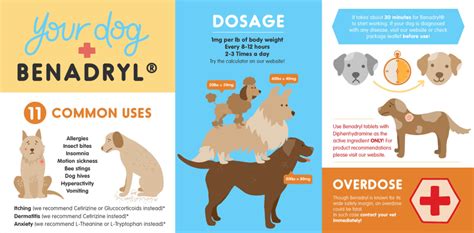
Yes, dogs can take Benadryl, but only when prescribed by a veterinarian. Benadryl can help relieve allergic reactions and anxiety in dogs. However, it is crucial to note that the dosage of Benadryl for dogs is different from that of humans.

Dosage of Benadryl for Dogs

The dosage of Benadryl for dogs is based on their weight. The recommended dosage is 1mg per pound of body weight. However, it is always best to consult a veterinarian before giving your dog any medication.

Benefits of Benadryl for Dogs

Benadryl can help relieve allergies, anxiety, and motion sickness in dogs. It can also be used to sedate dogs for travel or veterinary procedures.
Benadryl

Side Effects of Benadryl for Dogs

Like any medication, Benadryl can have side effects on dogs. The most common side effects include drowsiness, lethargy, and dry mouth. In some cases, dogs may experience diarrhea, vomiting, and loss of appetite.

Drowsiness

Drowsiness is the most common side effect of Benadryl in dogs. It is essential to monitor your dog's behavior after administering Benadryl. If your dog seems overly sedated or has difficulty walking, contact your veterinarian immediately.

Lethargy

Lethargy is another common side effect of Benadryl in dogs. Your dog may seem more tired than usual or have a decreased interest in activities.

Dry Mouth

Dry mouth is also a common side effect of Benadryl in dogs. This can cause your dog to have difficulty swallowing or make them more prone to dental problems.

Diarrhea and Vomiting

In some cases, dogs may experience diarrhea and vomiting after taking Benadryl. This can be a sign of an allergic reaction or an overdose.

Allergic Reactions to Benadryl in Dogs

Some dogs may be allergic to Benadryl, which can lead to severe reactions. Symptoms of an allergic reaction to Benadryl in dogs include swelling of the face, difficulty breathing, and hives. If you notice any of these symptoms, seek veterinary care immediately.

Overdose of Benadryl in Dogs

An overdose of Benadryl in dogs can be life-threatening. Symptoms of an overdose include seizures, rapid heartbeat, and coma. If you suspect that your dog has ingested too much Benadryl, seek veterinary care immediately.

Conclusion

Benadryl can be a helpful medication for dogs when prescribed by a veterinarian. However, it is essential to know the side effects and dosage of Benadryl for dogs before administering it. Always consult with your veterinarian before giving your dog any medication, and monitor your dog's behavior after administering Benadryl.

Introduction to Benadryl for Dog Side Effects

As one of the most commonly used medications for dogs with allergies or other minor ailments, Benadryl is widely used by pet owners. While it can be an effective treatment option, it's important to be aware of the potential side effects that can occur. In this article, we will discuss some of the most common side effects of Benadryl in dogs and what you can do to manage them.

Drowsiness

One of the most common side effects of Benadryl in dogs is drowsiness. This can range from mild lethargy to extreme sleepiness, depending on the dose and the individual dog's natural tolerance to the drug. If your pet seems overly tired or sedated while taking Benadryl, it's best to monitor them closely and avoid any activities that require alertness or coordination until the effects wear off.

Dry Mouth

Another common side effect of Benadryl in dogs is dry mouth. This can cause discomfort and thirst, so it's important to make sure your pet has access to plenty of fresh water while taking the medication. You may also want to offer them wet food or treats to help keep their mouth hydrated.

Urinary Retention

Benadryl can also cause urinary retention in some dogs, which means they may have difficulty urinating or may not urinate as frequently as usual. This can be a serious side effect, so if you notice your dog having difficulty urinating while taking Benadryl, you should contact your vet immediately. They may need to adjust the dosage or switch to a different medication.

Gastrointestinal Upset

Some dogs may experience gastrointestinal upset while taking Benadryl. This can manifest as nausea, vomiting, or diarrhea, and can be mild or severe depending on the individual dog's sensitivity to the medication. If your pet experiences any of these symptoms, it's important to monitor them closely and contact your vet if they persist or worsen.

Loss of Appetite

In some cases, Benadryl can cause a loss of appetite in dogs. This can be a concern if your pet is not getting the nutrition they need to stay healthy, so it's important to monitor their food intake while they are taking the medication. You may also want to offer them small, frequent meals throughout the day to help stimulate their appetite.

Increased Heart Rate

Benadryl can also cause an increased heart rate in some dogs. This is usually not cause for concern unless your pet has an underlying heart condition, in which case you should consult with your vet before giving them Benadryl. If you notice any signs of rapid or irregular heartbeats in your pet, it's best to seek veterinary care right away.

Allergic Reactions

Although rare, some dogs may have an allergic reaction to Benadryl. This can manifest as swelling, itching, or hives, and can be potentially life-threatening. If you notice any signs of an allergic reaction in your pet, seek immediate veterinary care.

Interactions with Other Medications

Benadryl can interact with other medications, so it's important to let your vet know if your dog is taking any other drugs. Some common medications that can interact with Benadryl include tranquilizers, sedatives, and other antihistamines. Your vet can help you determine if it's safe to give your pet Benadryl in combination with other medications.

Overdose

Finally, it's important to be aware that giving your dog too much Benadryl can result in an overdose. Symptoms of a Benadryl overdose can include seizures, coma, and even death, so it's crucial to follow your vet's dosage instructions carefully and seek immediate veterinary care if you suspect an overdose. Never give your pet more than the recommended dose of Benadryl without consulting with your vet first.In conclusion, while Benadryl can be an effective treatment option for dogs with allergies or other minor ailments, it's important to be aware of the potential side effects that can occur. By monitoring your pet closely and working closely with your vet, you can help ensure that your pet stays healthy and happy while taking this medication.

Benadryl For Dog Side Effects: Expert Voice and Tone

As a veterinarian, I have seen many cases where Benadryl has been used to treat various allergies and other conditions in dogs. While it can be an effective medication, there are some potential side effects that pet owners need to be aware of.

Pros of Benadryl For Dog Side Effects:

  • Relief from itching and swelling caused by allergies
  • Helps to reduce anxiety and stress in dogs
  • Can be used as a mild sedative for dogs during travel or other stressful situations
  • Easy to administer in tablet or liquid form
  • Over-the-counter availability makes it easily accessible for pet owners

Cons of Benadryl For Dog Side Effects:

  1. Drowsiness and lethargy are common side effects, which can be dangerous for dogs who need to be alert or active
  2. Overdosing can lead to more serious side effects such as seizures, coma, or even death
  3. Not recommended for dogs with certain medical conditions such as glaucoma, heart disease, or high blood pressure
  4. May interact with other medications that the dog is taking, leading to unwanted side effects
  5. Can cause dry mouth, urinary retention, or constipation in some dogs

Overall, Benadryl can be a useful tool for pet owners to manage their dog's allergies and anxiety. However, it is important to consult with a veterinarian before giving any medication to your pet and to closely monitor for any potential side effects.

Welcome to our blog, where we discuss the side effects of Benadryl for dogs. As a dog owner, you want the best for your furry friend, and sometimes that includes using medication to treat allergies or other conditions. While Benadryl can be effective in relieving symptoms, it is important to be aware of the potential side effects.

One of the most common side effects of Benadryl for dogs is drowsiness or sedation. This can be especially concerning if your dog needs to be alert or active, such as during a training session or outdoor activity. Additionally, some dogs may experience gastrointestinal issues such as diarrhea or vomiting after taking Benadryl. It is important to monitor your dog closely after administering the medication and to consult with your veterinarian if any concerning symptoms arise.

While Benadryl can be a helpful tool in managing your dog's health, it is important to use it responsibly and under the guidance of a veterinarian. Be sure to follow dosing instructions carefully and monitor your dog for any adverse reactions. As with any medication, there is always a risk of side effects, but by being informed and proactive, you can help ensure that your furry friend stays happy and healthy.

Thank you for visiting our blog and taking the time to learn about the potential side effects of Benadryl for dogs. We hope that this information will be helpful in making informed decisions about your dog's healthcare. If you have any questions or concerns, please don't hesitate to reach out to your veterinarian for guidance.

Benadryl For Dog Side Effects

Benadryl is a medication that can be used to treat various allergic reactions in dogs, including itching, swelling, and hives. It contains an antihistamine called diphenhydramine, which can help reduce the symptoms of allergies. However, like any medication, Benadryl can also cause side effects in dogs. Here are some frequently asked questions about Benadryl for dog side effects:

1. Can Benadryl make my dog sleepy?

Yes, one of the common side effects of Benadryl in dogs is drowsiness. This is because diphenhydramine can cause sedation in humans and animals. If you give your dog Benadryl, you may notice that they become more relaxed or sleepy than usual. This is normal and should subside after a few hours.

2. Is it safe to give my dog Benadryl every day?

No, it is not recommended to give your dog Benadryl every day without consulting with your veterinarian first. While Benadryl is generally safe for dogs, overuse can lead to side effects such as dry mouth, urinary retention, and constipation. Your vet can help you determine the appropriate dosage and frequency of Benadryl for your dog's specific needs.

3. Can Benadryl cause vomiting or diarrhea in dogs?

Yes, some dogs may experience gastrointestinal upset as a side effect of Benadryl. This can include vomiting, diarrhea, or loss of appetite. If you notice these symptoms in your dog after giving them Benadryl, stop the medication and contact your veterinarian for advice.

4. Can Benadryl cause allergic reactions in dogs?

While it is uncommon, some dogs may have an allergic reaction to Benadryl. Symptoms of an allergic reaction can include swelling of the face or tongue, difficulty breathing, or hives. If you notice any of these symptoms in your dog, seek veterinary care immediately.

5. Can Benadryl interact with other medications my dog is taking?

Yes, Benadryl can interact with other medications that your dog may be taking. For example, diphenhydramine can enhance the effects of other sedatives or central nervous system depressants. It is important to inform your veterinarian of all medications and supplements your dog is taking before giving them Benadryl.

In summary, Benadryl can be a useful medication for treating allergies in dogs, but it can also cause side effects. If you are considering giving your dog Benadryl, talk to your veterinarian first to determine the proper dosage and whether it is appropriate for your dog's individual needs.